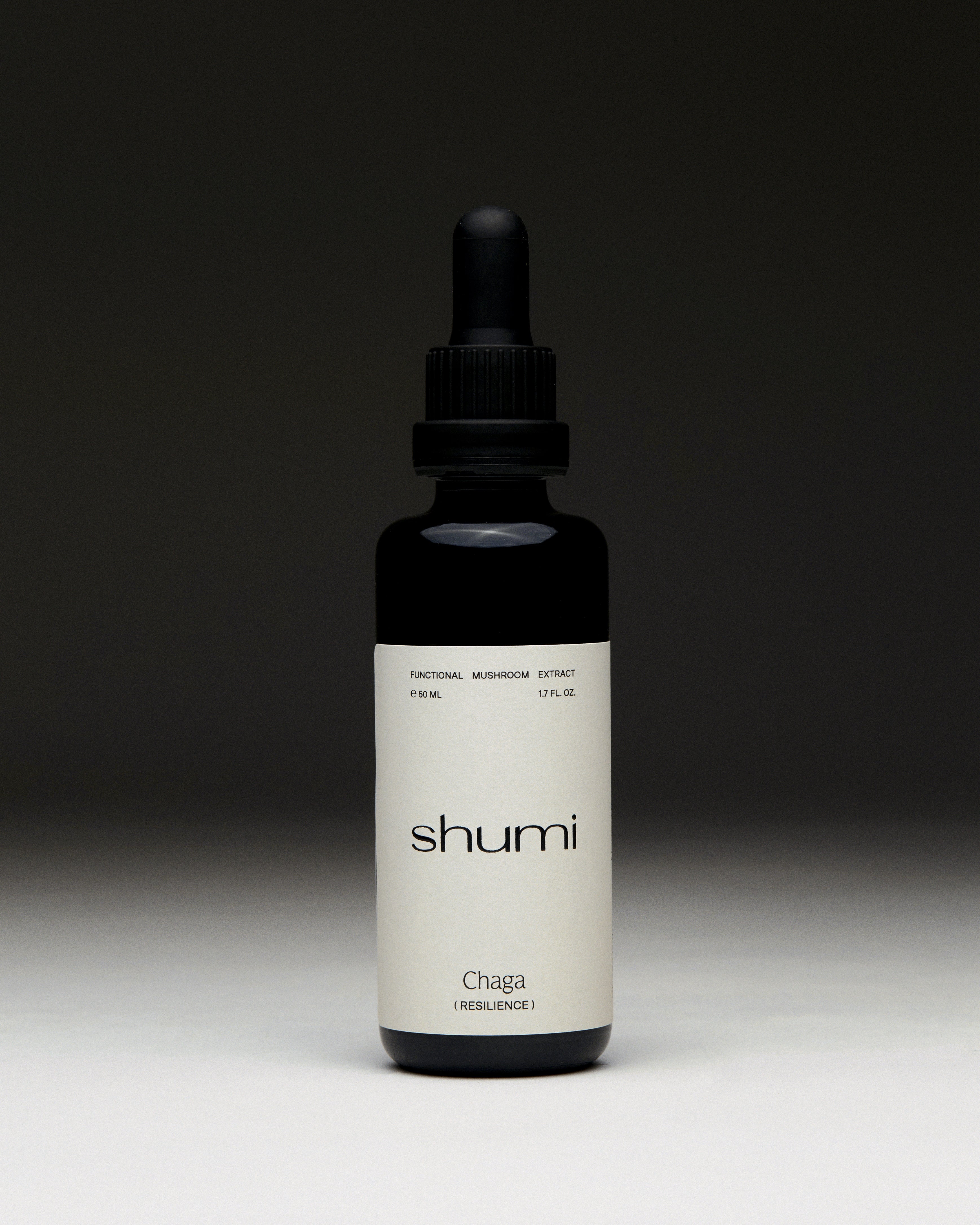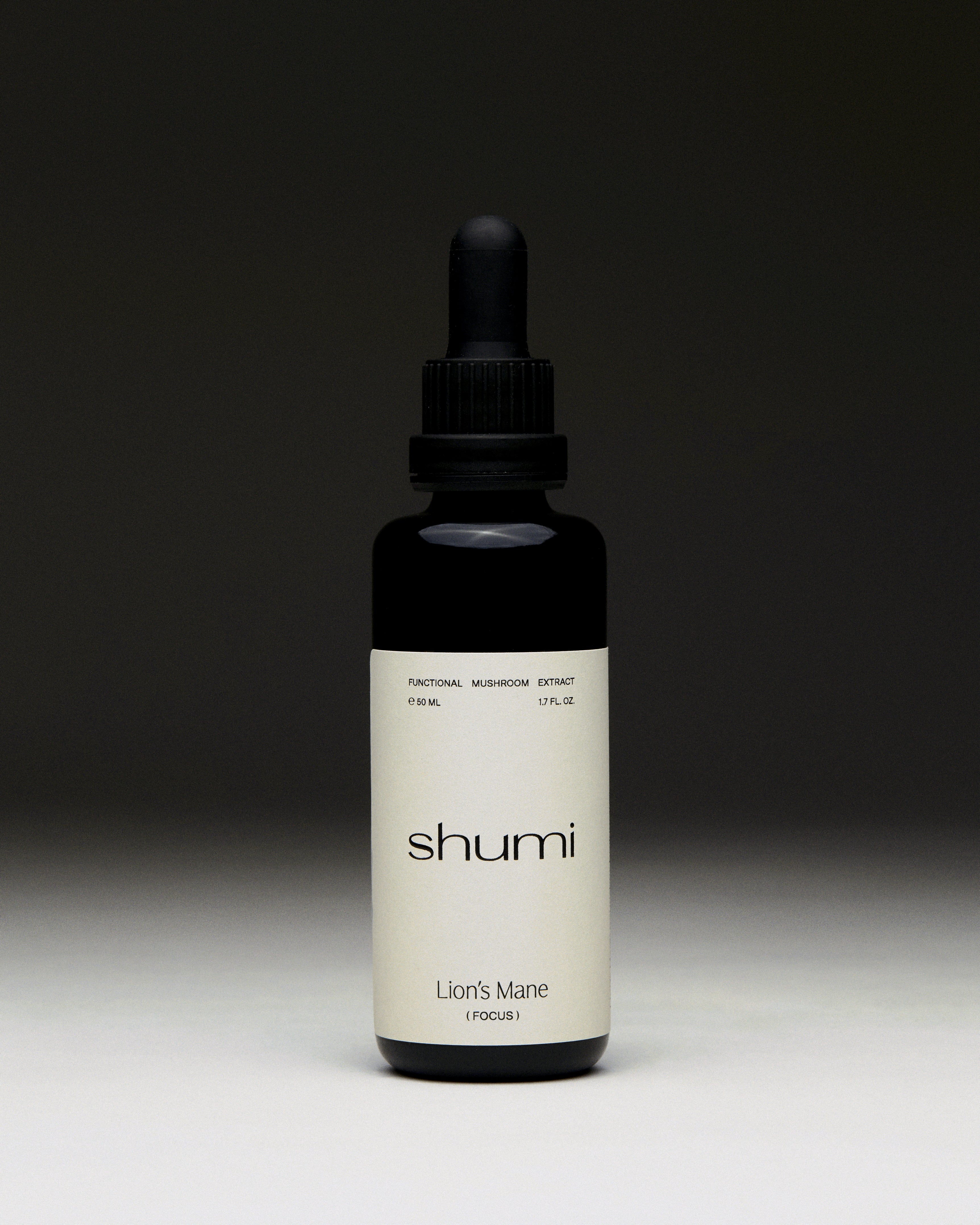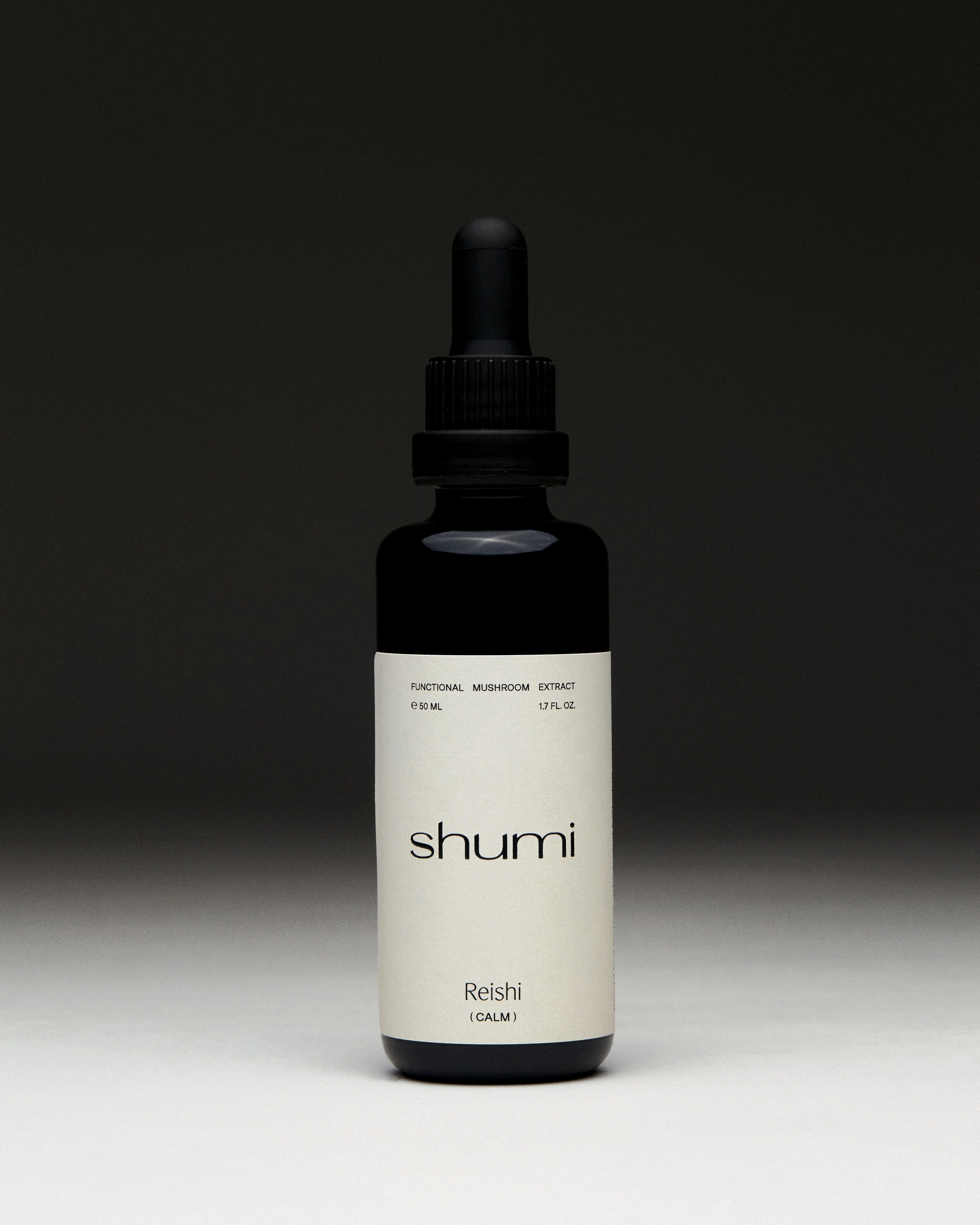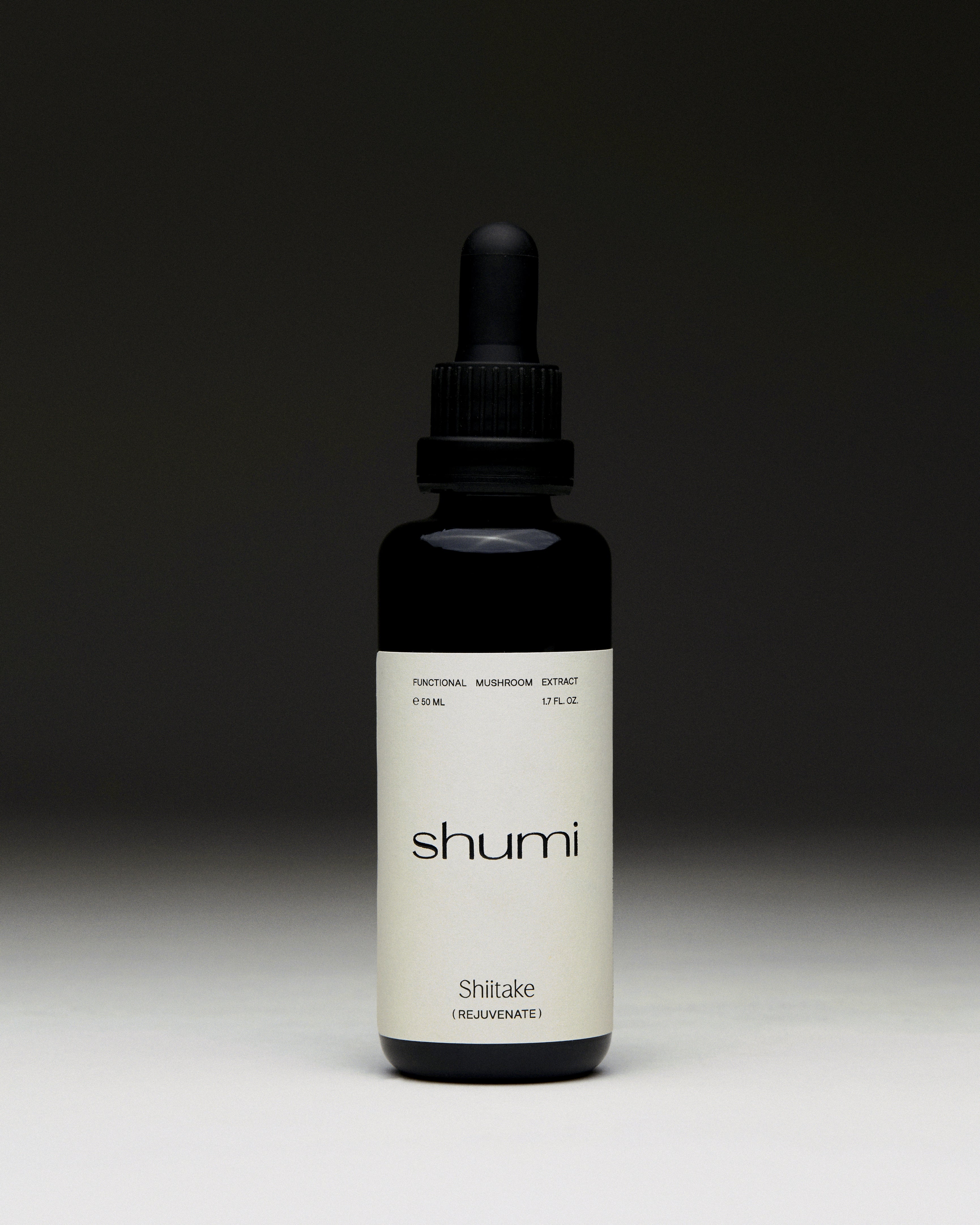

For centuries, functional mushrooms have been valued for their place in traditional practices worldwide. Modern scientific research is now exploring the many bioactive compounds within these fungi and their potential to support well-being in various ways.
But making the most of these compounds depends not only on understanding them but also on ensuring their bioavailability within the body.
A World of Bioactive Compounds: Exploring the Potential of Functional Mushrooms
Functional mushrooms are a diverse group of fungi with a distinctive profile of bioactive compounds. These compounds are associated with many of the properties people value in functional mushrooms and play a role in how the mushrooms interact with the body.
Some of the key bioactive compounds found in functional mushrooms include:
- Polysaccharides: These complex carbohydrates include beta-glucans, which are studied for their potential to support the immune system and gut health.
- Hericenones and Erinacines: These compounds are specific to Lion's Mane mushroom and are being investigated for their potential to support nerve growth and function.
- Triterpenoids: Found in various functional mushrooms, these compounds are being explored for their potential anti-inflammatory and adaptogenic properties.
- Other Bioactive Constituents: The diverse world of functional mushrooms also contains other potentially beneficial compounds like peptides, vitamins, and minerals, which require further research to understand their individual and combined effects.
Bioavailability: The Key to Making the Most of These Compounds
While the presence of bioactive compounds in functional mushrooms is promising, their real value depends on their bioavailability. This refers to the amount and rate at which these compounds are absorbed, distributed, metabolised, and used by the body. In simpler terms, bioavailability determines to what extent a compound can actually have an effect within the body.

Several factors can influence the bioavailability of bioactive compounds in functional mushrooms, including:
Extraction Method: The extraction process used to obtain the compounds from the mushrooms can significantly influence their bioavailability. Advanced methods like ultrasonic-assisted extraction (UAE) used by Shumi are studied for their ability to improve the release of bioactive compounds, which may support higher bioavailability compared with some traditional methods. You can learn more in our overview of Shumi's ultrasonic extraction technology.
Delivery Form: The form in which you consume functional mushrooms (e.g., powder, capsules, liquid extract) can also influence bioavailability. Shumi offers its functional mushroom extracts in liquid form, which is generally considered to be more readily absorbed than some other forms.
Individual Factors: Individual factors like age, gut health, and overall health status can also play a role in how efficiently the body absorbs bioactive compounds.
Embrace the Power of Functional Mushrooms: Choosing Shumi for Bioavailability
As you explore the realm of functional mushrooms, understanding both the diverse world of bioactive compounds and the importance of bioavailability is worthwhile. By choosing a brand like Shumi that uses advanced extraction methods like UAE and offers its products in readily absorbed forms, you can support the potential benefits of these natural ingredients. It also helps to start with the right raw material, which is why we favour fruiting-body-based extracts. Explore our Holistic Wellness Set to experience our liquid extracts together.
Frequently Asked Questions
What are beta-glucans and why are they important in functional mushrooms?
Beta-glucans are a type of polysaccharide found abundantly in functional mushrooms. They have been studied for their role in supporting immune health, and in laboratory research they appear to interact with immune cells such as macrophages and natural killer cells. Research into how this translates into everyday immune support in people is still ongoing.
How does ultrasonic-assisted extraction specifically enhance bioavailability?
Ultrasonic-assisted extraction (UAE) is thought to enhance the release of bioactive compounds from functional mushrooms through an efficient physical mechanism. This method employs ultrasonic waves, which generate rapid pressure changes in the solvent surrounding the mushroom material. These pressure changes lead to the formation of microscopic bubbles or cavities in a process known as cavitation.
When these cavities collapse, they produce intense local shockwaves and high shear forces. These forces disrupt the rigid chitin cell walls of the mushrooms, which are typically resistant to breakdown by human digestive enzymes. The disruption of these cell walls is thought to allow a more complete and efficient release of bioactive compounds such as polysaccharides, triterpenoids, and other phytochemicals contained within the cells.
UAE may also support the extraction process by enhancing the penetration of the solvent into the cellular matrix of the mushroom, allowing for a more thorough leaching of the bioactive compounds into the solvent. This can increase the overall yield of the extractable compounds and may improve their bioavailability when ingested.
The application of ultrasonic waves in UAE can be finely tuned in terms of frequency, intensity, and duration, allowing for precise control over the extraction parameters. This level of control is helpful for preserving the integrity of the sensitive bioactive compounds, helping to keep them intact after extraction.
References
- Aliaño-González, M. J., Barea-Sepúlveda, M., Espada-Bellido, E., Ferreiro-González, M., López-Castillo, J. G., Palma, M., Barbero, G. F., & Carrera, C. (2022). Ultrasound-Assisted Extraction of Total Phenolic Compounds and Antioxidant Activity in Mushrooms. Agronomy, 12(8), 1812. https://doi.org/10.3390/agronomy12081812
- Zheng, S., Zhang, W., & Liu, S. (2020). Optimization of ultrasonic-assisted extraction of polysaccharides and triterpenoids from the medicinal mushroom Ganoderma lucidum and evaluation of their in vitro antioxidant capacities. PloS One, 15(12), e0244749. https://doi.org/10.1371/journal.pone.0244749
- Kumar, K., Mehra, R., Guiné, R. P. F., Lima, M. J., Kumar, N., Kaushik, R., Ahmed, N., Yadav, A. N., & Kumar, H. (2021). Edible Mushrooms: A Comprehensive Review on Bioactive Compounds with Health Benefits and Processing Aspects. Foods (Basel, Switzerland), 10(12). https://doi.org/10.3390/foods10122996
- Jayachandran, M., Xiao, J., & Xu, B. (2017). A Critical Review on Health Promoting Benefits of Edible Mushrooms through Gut Microbiota. International Journal of Molecular Sciences, 18(9). https://doi.org/10.3390/ijms18091934