

Can a humble mushroom hold the key to naturally supporting your testosterone levels?
Reishi mushrooms, known scientifically as Ganoderma lucidum, have been revered for centuries in traditional Chinese medicine for their wide range of health benefits. From supporting the immune system to enhancing overall well-being, these mushrooms are considered a powerful natural remedy.
But the question remains: does Reishi increase testosterone?
Understanding Reishi mushrooms
Reishi mushrooms, often referred to as the "Mushroom of Immortality," have been a cornerstone of traditional Chinese medicine for over two millennia. They are valued for their adaptogenic properties, which help the body cope with stress and return to a state of balance. Adaptogens are natural substances that support the body's resilience to stress, making them valued in modern times where stress-related concerns are increasingly common.
Reishi mushrooms are rich in a variety of bioactive compounds, each contributing to their wide-ranging benefits. Polysaccharides, for instance, are known for their immune-supporting and anti-inflammatory effects. These complex carbohydrates can support the body's ability to respond to infections and help moderate inflammation. Triterpenoids, another group of compounds found in Reishi, have been studied for anti-inflammatory and liver-protective properties, helping support the body's natural detoxification. Peptidoglycans, in turn, are involved in modulating the immune system, further supporting the body's defence mechanisms.
These compounds work synergistically to support health and wellness, making Reishi mushrooms a valued natural remedy. Their adaptogenic properties may help not only with stress management but also with supporting energy levels, mood, and cognitive function. This makes Reishi a versatile supplement for a wide range of wellness goals.
The link between Reishi mushrooms and testosterone
Testosterone is a critical hormone in both men and women, playing a key role in muscle mass, bone density, and libido, among other functions. It influences many aspects of health, from physical strength and endurance to mental well-being. In men, testosterone levels naturally decline with age, which can contribute to changes such as decreased muscle mass and reduced libido.
The idea that Reishi mushrooms might influence testosterone levels stems from their impact on overall hormonal balance and stress reduction. Hormonal balance is important for maintaining healthy testosterone levels, and Reishi mushrooms have shown potential in supporting this balance. By acting on the endocrine system, Reishi may help support the regulation of various hormones.
Stress is a significant factor that can negatively affect testosterone levels. Chronic stress leads to the production of cortisol, a hormone that can suppress testosterone production when present in high levels. Reishi mushrooms, known for their stress-reducing properties, may help lower cortisol levels and thereby support healthier testosterone levels. The adaptogenic nature of Reishi enables it to help modulate the body's response to stress, reducing the overall burden on the endocrine system.
In addition to stress reduction, Reishi mushrooms' anti-inflammatory and immune-modulating effects may also play a role in supporting hormonal balance. Inflammation and immune responses can influence hormone production. By helping moderate inflammation and supporting immune function, Reishi mushrooms may create a more favourable internal environment for maintaining healthy hormone levels.
Reishi mushrooms also contain compounds that have been studied for their effect on aromatase, an enzyme involved in converting testosterone into estrogen. This mechanism, observed in some plant compounds, is an area of ongoing research and is not yet established for Reishi in humans.
Research insights
- Hormonal balance: Reishi mushrooms are believed to help support the endocrine system. This indirect support could, in theory, influence testosterone levels, but concrete evidence is lacking. By supporting overall hormonal balance, Reishi might contribute to a stable internal environment.
- Anti-androgenic effects: Some studies suggest that Reishi mushrooms may have anti-androgenic properties, meaning they could potentially reduce levels of androgens. Research on Ganoderma lucidum has explored its activity in animal models. This anti-androgenic effect has been discussed particularly in the context of prostate health.
- Aromatase activity: Reishi mushrooms may also influence hormone balance through their effect on aromatase, the enzyme that converts testosterone into estrogen. This mechanism has been observed in some plant compounds and is a potential area of interest for further research with Reishi mushrooms.
- Stress reduction: Chronic stress can negatively affect testosterone levels by increasing cortisol. Reishi mushrooms are studied for their ability to help reduce stress and lower cortisol levels, which could help support healthier testosterone levels indirectly.
- Immune modulation: The immune-supporting properties of Reishi mushrooms may also play a role in hormone regulation. A healthy immune system supports overall hormonal balance, and inflammatory signals can negatively affect testosterone production, so helping moderate inflammation may support healthy hormone levels.
Potential benefits for men's health
While Reishi mushrooms may not directly increase testosterone, they offer several benefits that support overall men's health:
- Immune support: Reishi mushrooms support immune function, helping the body respond to infections more effectively. A robust immune system is important for overall health and can indirectly support hormone balance.
- Anti-inflammatory properties: These mushrooms have anti-inflammatory effects, which can help moderate inflammation and support overall health. Chronic inflammation is linked to numerous health issues, including hormonal imbalances.
- Antioxidant effects: Reishi mushrooms are rich in antioxidants, helping protect the body from oxidative stress. Oxidative stress can negatively affect hormone levels, and antioxidants help mitigate this.
- Liver health: The liver plays a vital role in hormone regulation, including the metabolism of testosterone. Reishi mushrooms have been studied for supporting liver health, which can support the body's ability to maintain healthy hormone levels.
- Improved sleep: Quality sleep is essential for hormone production, including testosterone. Reishi mushrooms are studied for supporting better sleep by easing stress and anxiety, which can support hormonal health.
- Sexual health: While direct evidence is limited, Reishi mushrooms' stress-reducing and immune-supporting properties may support sexual health and libido by helping create a more balanced internal environment.
Conclusion
While Reishi mushrooms may not directly increase testosterone levels, their adaptogenic and health-supporting properties make them a valuable addition to a wellness routine. Their ability to help reduce stress, support immune function, provide antioxidant protection, and support overall hormonal balance can indirectly benefit hormone health and overall vitality.
By supporting a healthier internal environment, Reishi mushrooms help create the conditions for maintaining balanced hormone levels and overall vitality. As always, it's essential to consult with a healthcare provider before starting any new supplement, especially for individuals with specific health concerns or conditions.
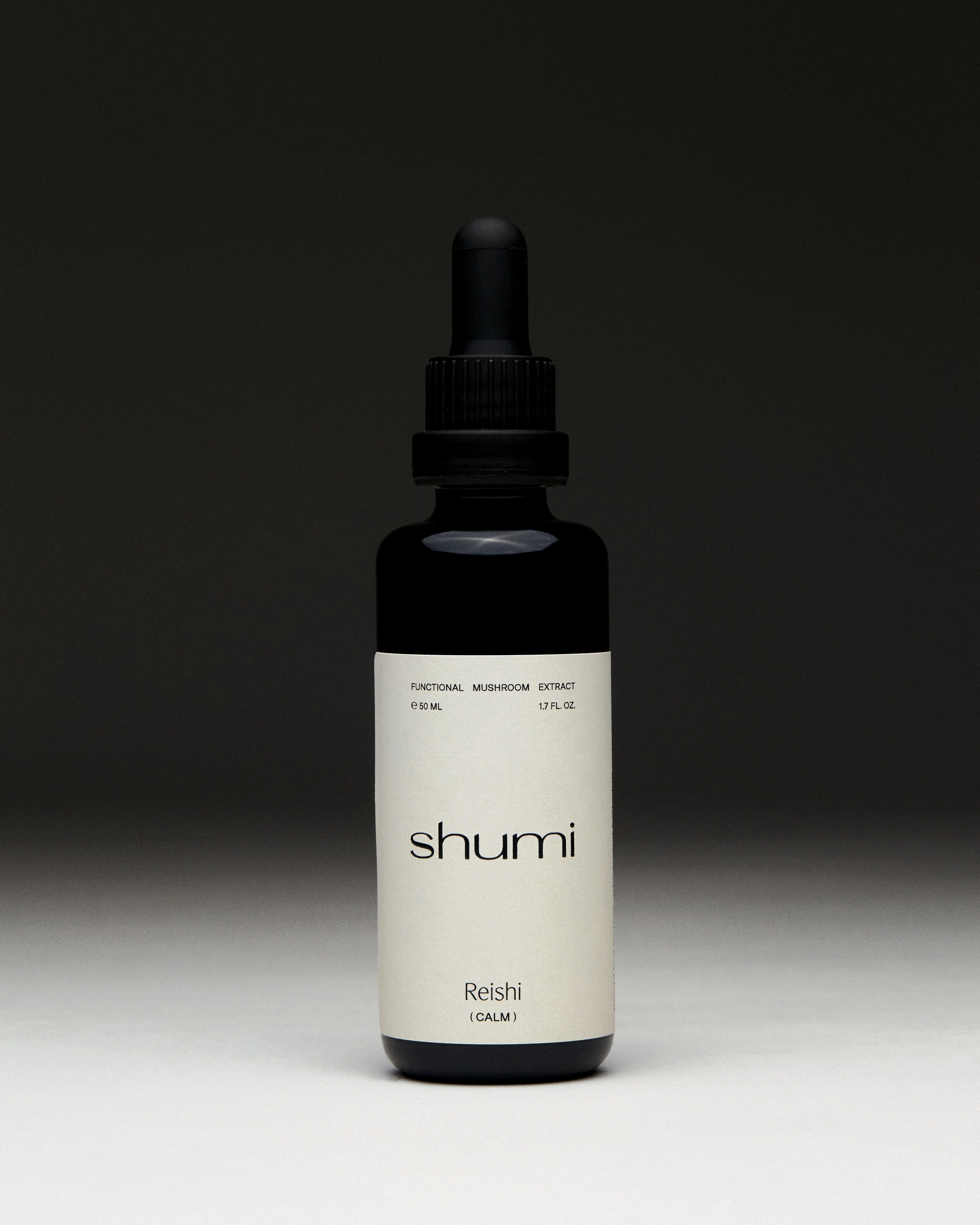
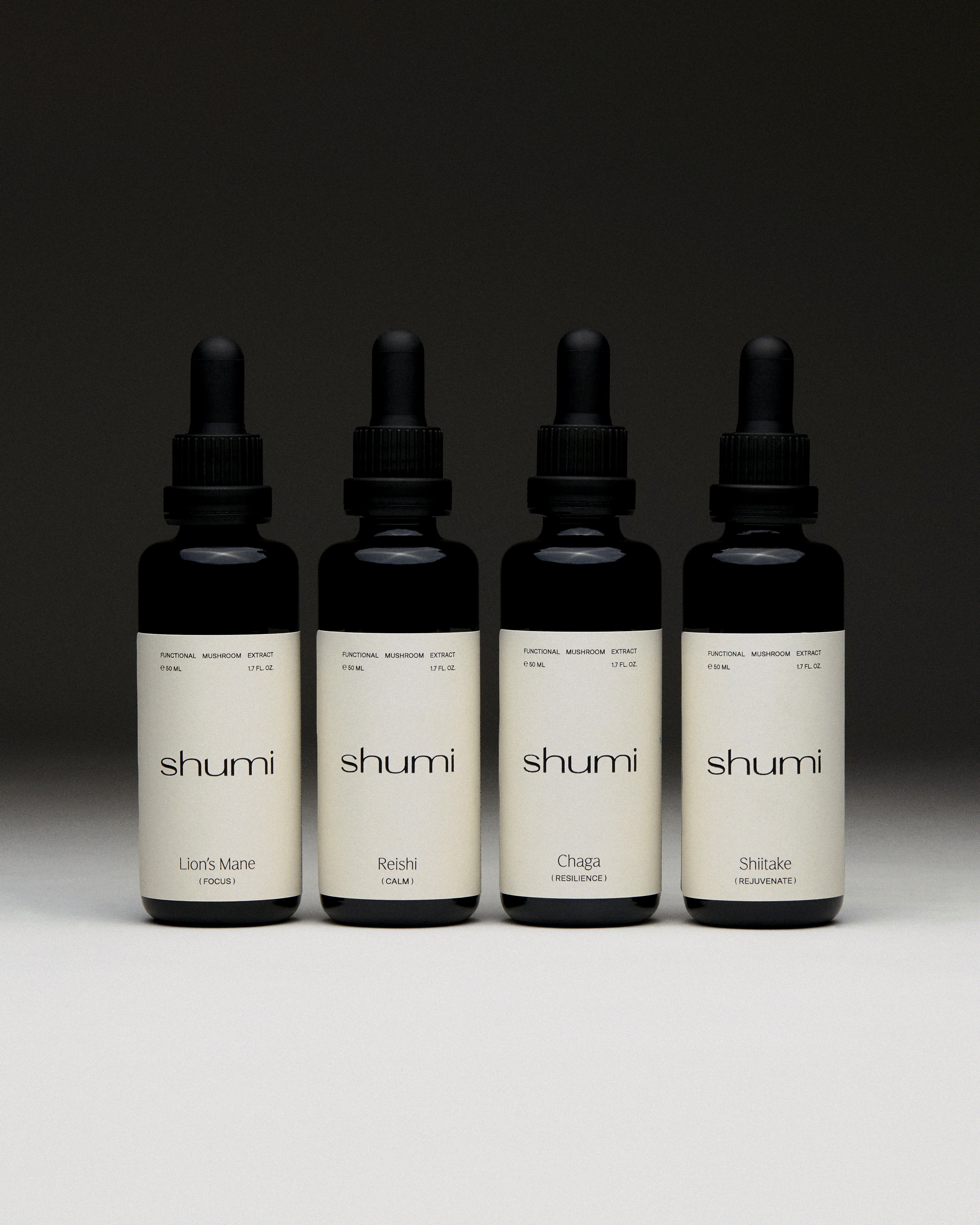
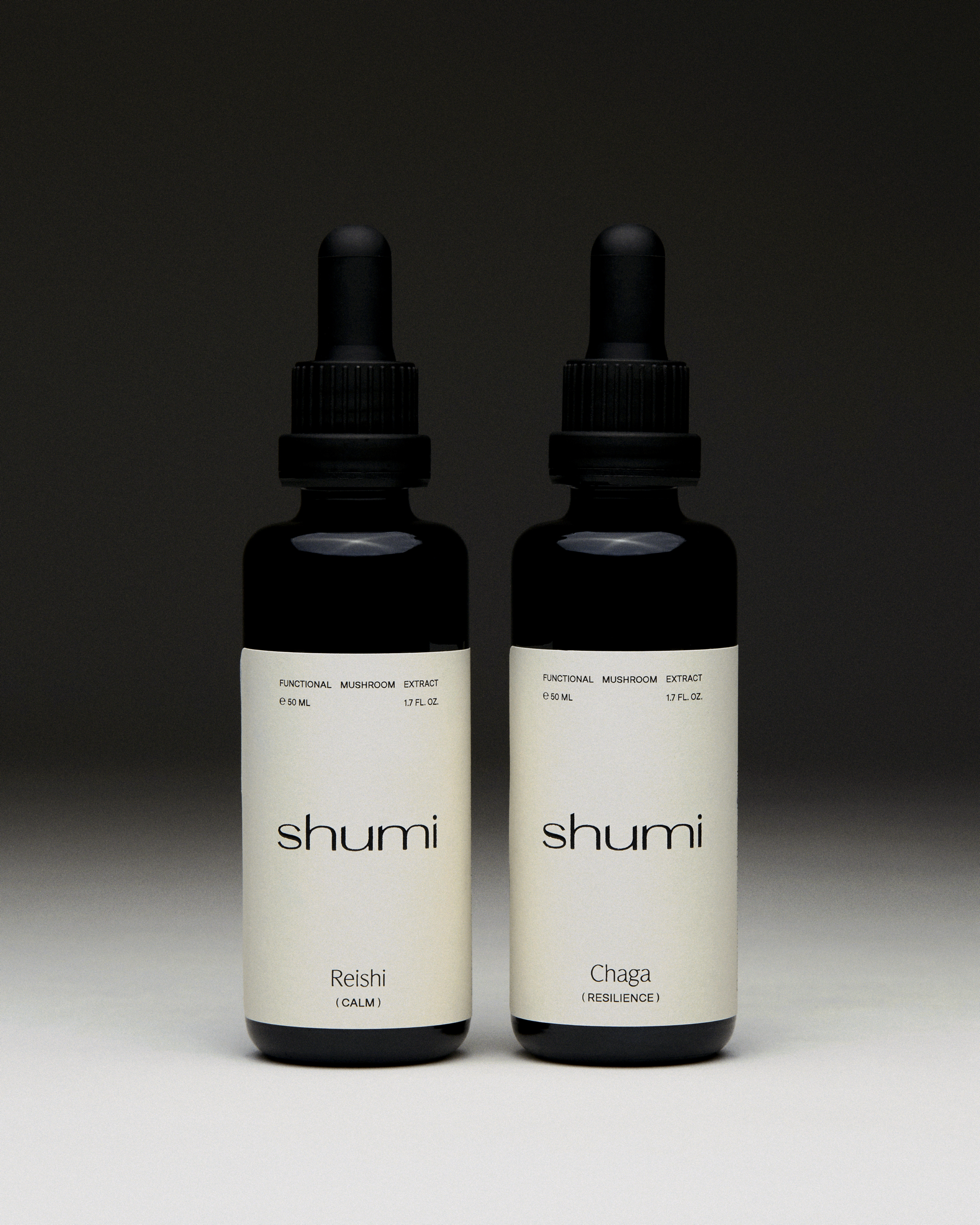
Explore the potential benefits of Reishi mushrooms with Shumi's premium Reishi liquid extract. Shumi's commitment to quality and bioavailability helps you get the best of what nature has to offer, supporting your journey to optimal wellness.
References
- Chang, R. (1994). Functional properties of edible mushrooms. Nutrition Reviews, 52(6), 231-235.
- Sanodiya, B. S., Thakur, G. S., Baghel, R. K., Prasad, G. B. K. S., & Bisen, P. S. (2009). Ganoderma lucidum: A potent pharmacological macrofungus. Current Pharmaceutical Biotechnology, 10(8), 717-742.
- Wachtel-Galor, S., Yuen, J., Buswell, J. A., & Benzie, I. F. F. (2011). Ganoderma lucidum (Lingzhi or Reishi): A Medicinal Mushroom. In Herbal Medicine: Biomolecular and Clinical Aspects (2nd ed.). CRC Press/Taylor & Francis.
- Zhu, X. L., Chen, A. F., & Lin, Z. B. (2007). Ganoderma lucidum polysaccharides enhance the function of immunological effector cells in immunosuppressed mice. Journal of Ethnopharmacology, 111(2), 219-226.