

Functionele paddenstoelen kun je het beste zien als voedingsmiddelen met oprecht interessante bioactieve verbindingen, onderzocht op hoe ze immuniteit, focus en dagelijkse veerkracht kunnen ondersteunen, en niet als snelle oplossingen.
Reishi, Chaga, Shiitake, Cordyceps en Lion's Mane worden al eeuwenlang gewaardeerd in tradities zoals de Chinese en Ayurvedische geneeskunde. Modern onderzoek bekijkt nu wat hun beta-glucans, polysachariden en andere verbindingen daadwerkelijk doen, en deze gids scheidt wat goed onderzocht is van wat nog in opkomst is.
Wat maakt een paddenstoel "functioneel"?
Anders dan de champignons op je bord worden functionele paddenstoelen vooral gewaardeerd om hun bioactieve verbindingen en niet als alledaags ingrediënt. De best onderzochte hiervan zijn beta-glucans, een familie van polysachariden geconcentreerd in de celwand van de paddenstoel, naast andere polysachariden, fenolische stoffen en paddenstoelspecifieke moleculen.
Immuunondersteuning en beta-glucans
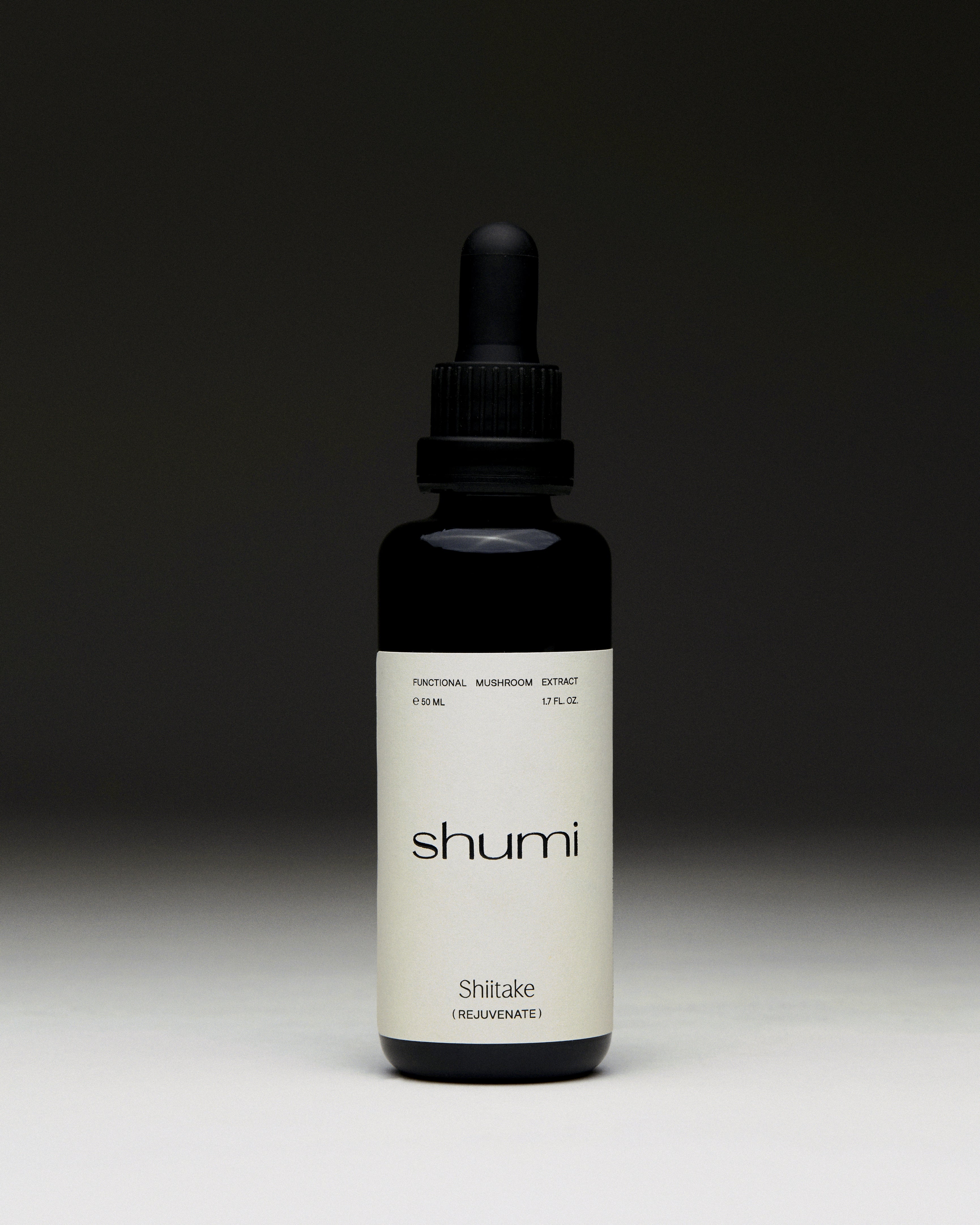
Beta-glucans zijn de verbindingen die het vaakst worden gekoppeld aan de immuunondersteunende reputatie van paddenstoelen. In laboratorium- en dieronderzoek is aangetoond dat polysachariden uit Reishi (Ganoderma lucidum) de activiteit van immuuncellen ondersteunen zoals macrofagen, die het lichaam helpen ongewenst materiaal te herkennen en op te ruimen. Shiitake (Lentinula edodes) is nog een bekende paddenstoel die gewaardeerd wordt om de beta-glucans in zijn vruchtlichaam. Veel van dit bewijs is preklinisch, dus het wijst op een ondersteunende rol in plaats van een gegarandeerd effect.
Focus en cognitieve ondersteuning: Lion's Mane
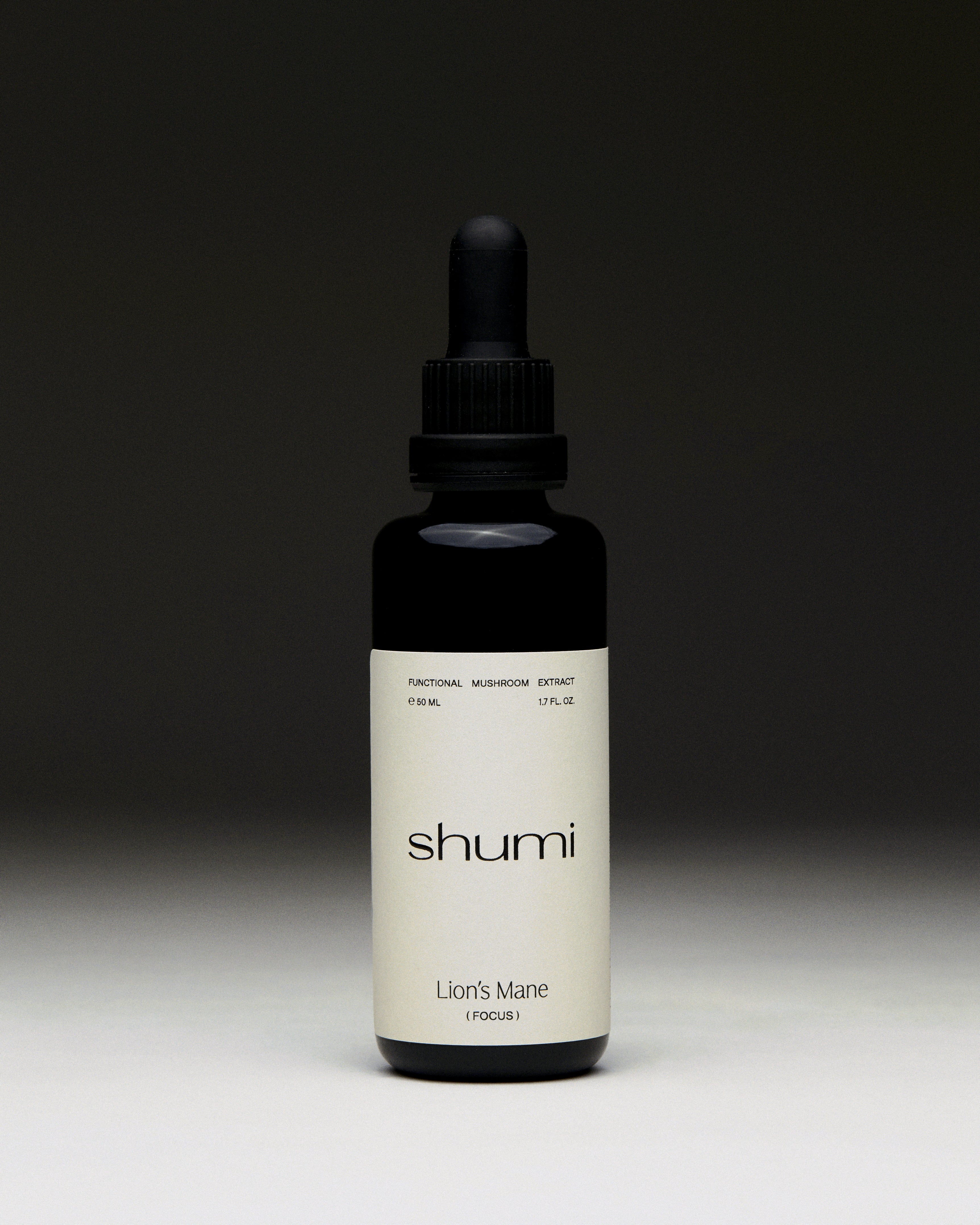
Lion's Mane (Hericium erinaceus) onderscheidt zich door zijn mogelijke rol bij cognitieve ondersteuning. Het bevat hericenones en erinacines, verbindingen die worden onderzocht op hun invloed op zenuwgroeifactor (NGF), een eiwit dat betrokken is bij het in stand houden van zenuwcellen. In een kleine dubbelblinde klinische studie lieten oudere volwassenen die Hericium erinaceus namen verbeterde scores zien op een standaard cognitieve schaal tijdens de innameperiode. We verkennen het mechanisme uitgebreid in onze gids over neurale regeneratie en Lion's Mane.
Kalmte en veerkracht: Reishi
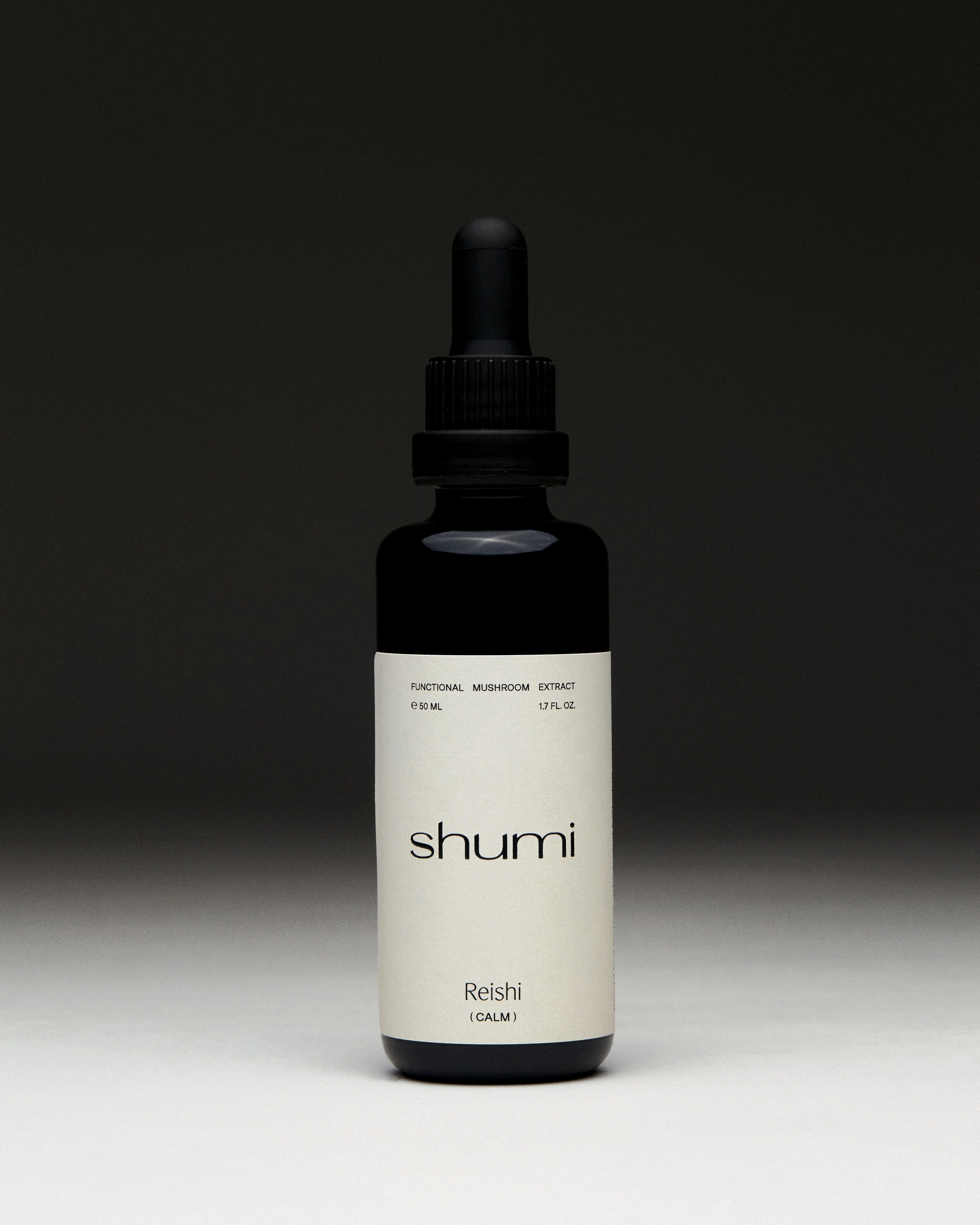
Reishi wordt al lang beschreven als een adaptogeen, een traditionele term voor planten en schimmels die worden gebruikt om het lichaam te helpen omgaan met alledaagse stress. Een farmacologische review van Ganoderma lucidum brengt het brede scala aan verbindingen in onderzoek in kaart, en merkt daarbij op dat veel van het bewijs preklinisch blijft. Kortom, Reishi wordt geassocieerd met kalmte en onderzocht voor zijn ondersteunende rol, niet voor een dramatisch kalmerend effect. Je kunt erover lezen op onze pagina Reishi Liquid Extract.
Antioxidantactiviteit: Chaga
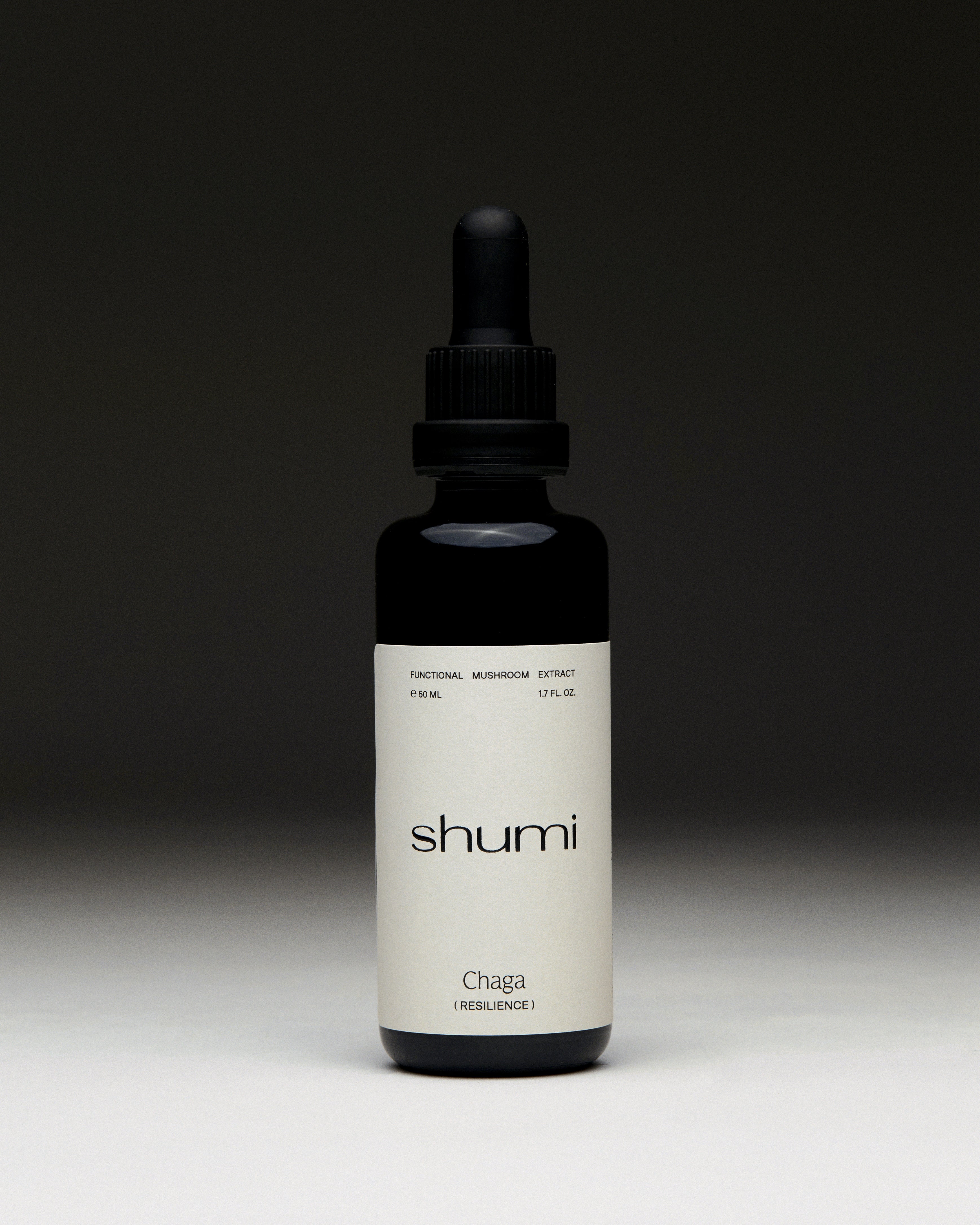
Chaga (Inonotus obliquus) is bijzonder rijk aan antioxidantverbindingen. Een studie naar chemische karakterisering bracht het fenolische gehalte in kaart en mat de antioxidantactiviteit in het lab, en daarom wordt Chaga vaak onderzocht op hoe het kan helpen oxidatieve stress door vrije radicalen tegen te gaan. Ontdek voor meer onze Chaga Liquid Extract.
Darmgezondheid ondersteunen
Het darmmicrobioom vormt een groot deel van onze bredere gezondheid, en paddenstoelpolysachariden gedragen zich deels als prebiotische vezels die nuttige bacteriën voeden. Een review in het International Journal of Molecular Sciences onderzocht hoe de verbindingen in eetbare paddenstoelen een gezonde darmmicrobiota kunnen ondersteunen, wat de paddenstoelen die we eten verbindt met het ecosysteem in ons.
Van vruchtlichaam tot vloeibaar extract
De kwaliteit van een paddenstoelextract hangt af van hoe het gemaakt wordt. Wij gebruiken uitsluitend biologische vruchtlichamen, nooit mycelium gekweekt op graan, en verwerken ze met een ultrasoon ondersteunde dubbele extractie in Finland, met een mengsel van 22% biologische ethanol en Fins bronwater zodat zowel de in water oplosbare als de in alcohol oplosbare verbindingen worden opgevangen. Elke batch is gecertificeerd biologisch volgens EU- en USDA-normen en in het lab getest op zuiverheid, met een gebruikelijke dagelijkse portie van ongeveer 2 ml (twee halve pipetten).
Ontdek elke paddenstoel op zijn eigen pagina, onze vloeibare extracten van Lion's Mane, Reishi, Chaga en Shiitake, of bekijk het volledige assortiment in onze extracten-collectie.
Bronnen
- Zhu, X. L., Chen, A. F., & Lin, Z. B. (2007). Ganoderma lucidum polysaccharides enhance the function of immunological effector cells in immunosuppressed mice. Journal of Ethnopharmacology, 111(2), 219-26. https://doi.org/10.1016/j.jep.2006.11.013
- Sanodiya, B. S., Thakur, G. S., Baghel, R. K., Prasad, G. B., & Bisen, P. S. (2009). Ganoderma lucidum: a potent pharmacological macrofungus. Current Pharmaceutical Biotechnology, 10(8), 717-42. https://doi.org/10.2174/138920109789978757
- Mori, K., Inatomi, S., Ouchi, K., Azumi, Y., & Tuchida, T. (2009). Improving effects of the mushroom Yamabushitake (Hericium erinaceus) on mild cognitive impairment: a double-blind placebo-controlled clinical trial. Phytotherapy Research : PTR, 23(3), 367-72. https://doi.org/10.1002/ptr.2634
- Glamočlija, J., Ćirić, A., Nikolić, M., Fernandes, Â., Barros, L., Calhelha, R. C., Ferreira, I. C., Soković, M., & van Griensven, L. J. (2015). Chemical characterization and biological activity of Chaga (Inonotus obliquus), a medicinal "mushroom". Journal of Ethnopharmacology, 162, 323-32. https://doi.org/10.1016/j.jep.2014.12.069
- Jayachandran, M., Xiao, J., & Xu, B. (2017). A Critical Review on Health Promoting Benefits of Edible Mushrooms through Gut Microbiota. International Journal of Molecular Sciences, 18(9). https://doi.org/10.3390/ijms18091934