
Lion's Mane is studied for supporting a balanced inflammatory response, and the honest state of the evidence is that most of it so far comes from laboratory and animal studies rather than large human trials. That does not make it useless; it makes it a promising, food-derived way to support your body's normal inflammatory balance as part of a healthy lifestyle, not a treatment for any condition. Here is what the research actually shows, and how to use it sensibly.
A note on language first: everyday "inflammation" here means your body's normal response to stress and strain, and the goal is helping it stay balanced. If you are dealing with a diagnosed inflammatory condition, that is a matter for your doctor, not a supplement.
What the anti-inflammatory research actually shows
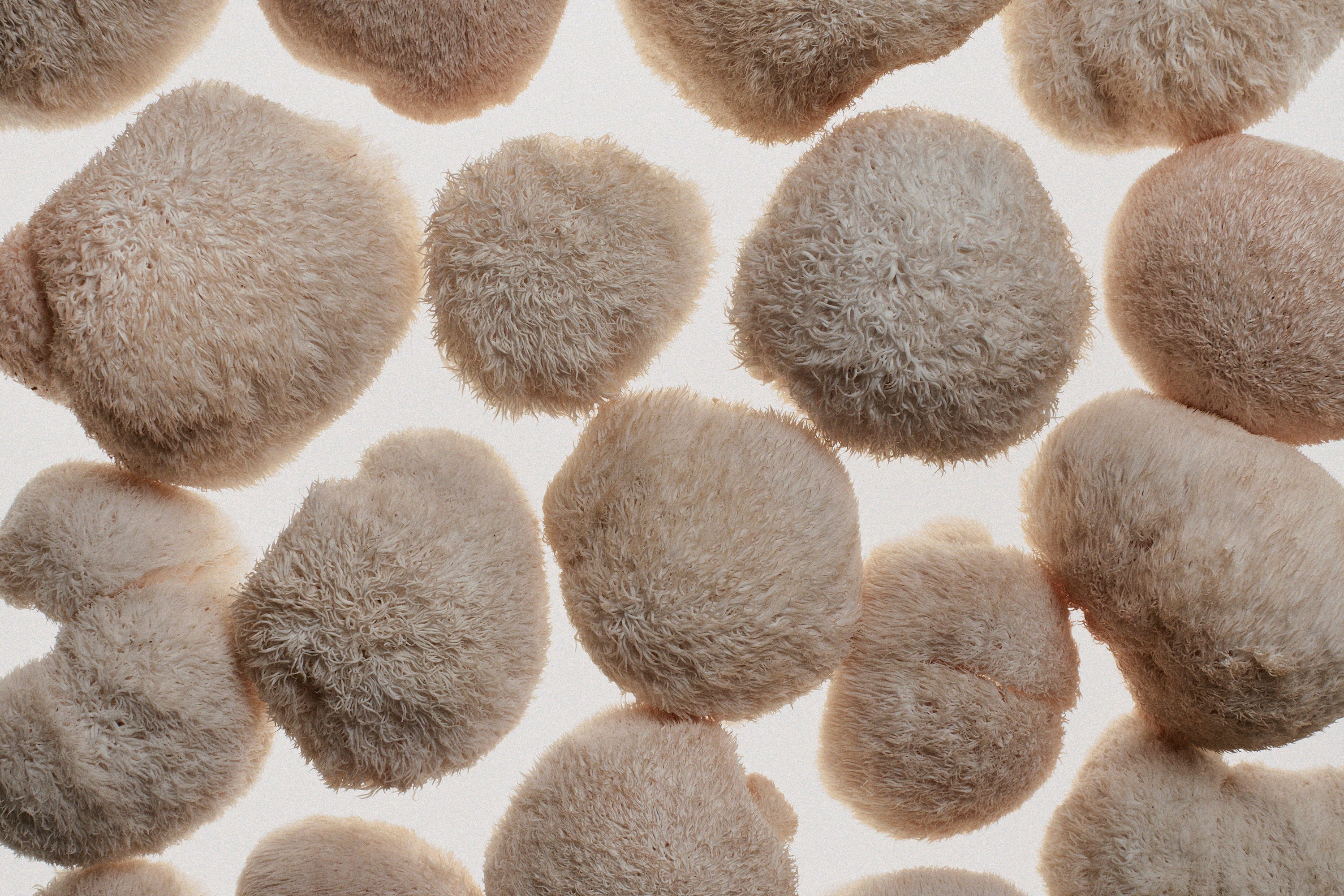
Lion's Mane (Hericium erinaceus) contains bioactive compounds, notably hericenones and related polysaccharides, that have been studied for their effect on the signals that drive inflammation. In a laboratory study of immune cells, H. erinaceus extract was shown to dampen the activation of pro-inflammatory genes in stimulated macrophages (Kim et al., 2012). Early animal work points in a broadly similar direction, though it remains preliminary. What is still thin is high-quality human trial data, so the honest framing is promising early evidence, not proven benefit.

How it is thought to work
The proposed mechanism is straightforward: Lion's Mane compounds appear to help moderate the production of pro-inflammatory cytokines, the chemical messengers that ramp the inflammatory response up. By tempering those signals, the extract may help the body keep its inflammatory response proportionate rather than running hot. This is support for a normal process, not suppression of it, which is the point of a food-derived approach.
The gut connection
A lot of the body's inflammatory tone is set in the gut. Lion's Mane has prebiotic fibres that feed beneficial gut bacteria, and a balanced microbiome is closely tied to a balanced immune and inflammatory response. So part of Lion's Mane's relevance here is indirect, through the gut. We go deeper into that in how functional mushrooms support gut health.
Where the nerve-health story fits
Lion's Mane is best known for the brain, through its effect on nerve growth factor (NGF). That is a separate thread from inflammation, and we cover it properly in Lion's Mane, NGF and nerve health. Worth knowing both exist, but they are different parts of the research.
Being honest about the limits
Lion's Mane is not an anti-inflammatory drug and should not be treated as one. The strongest evidence is preclinical, the human data is limited, and it works gradually as part of a broader routine rather than as a fix for a flare-up. Used as a daily habit alongside the real drivers of inflammatory balance (sleep, diet, movement and stress), it is a sensible addition; sold as a cure for inflammation, it is overpromised.
How to take it
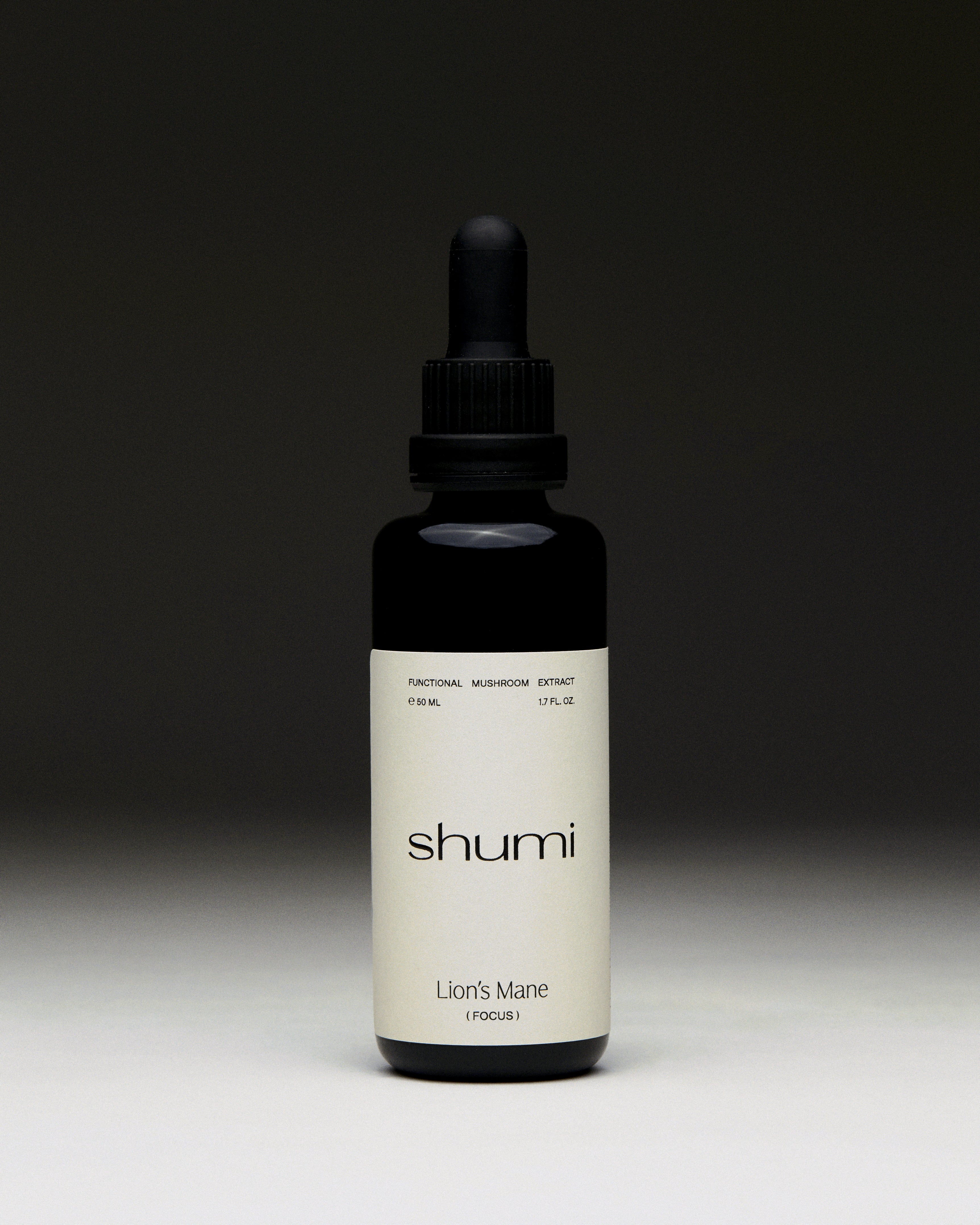
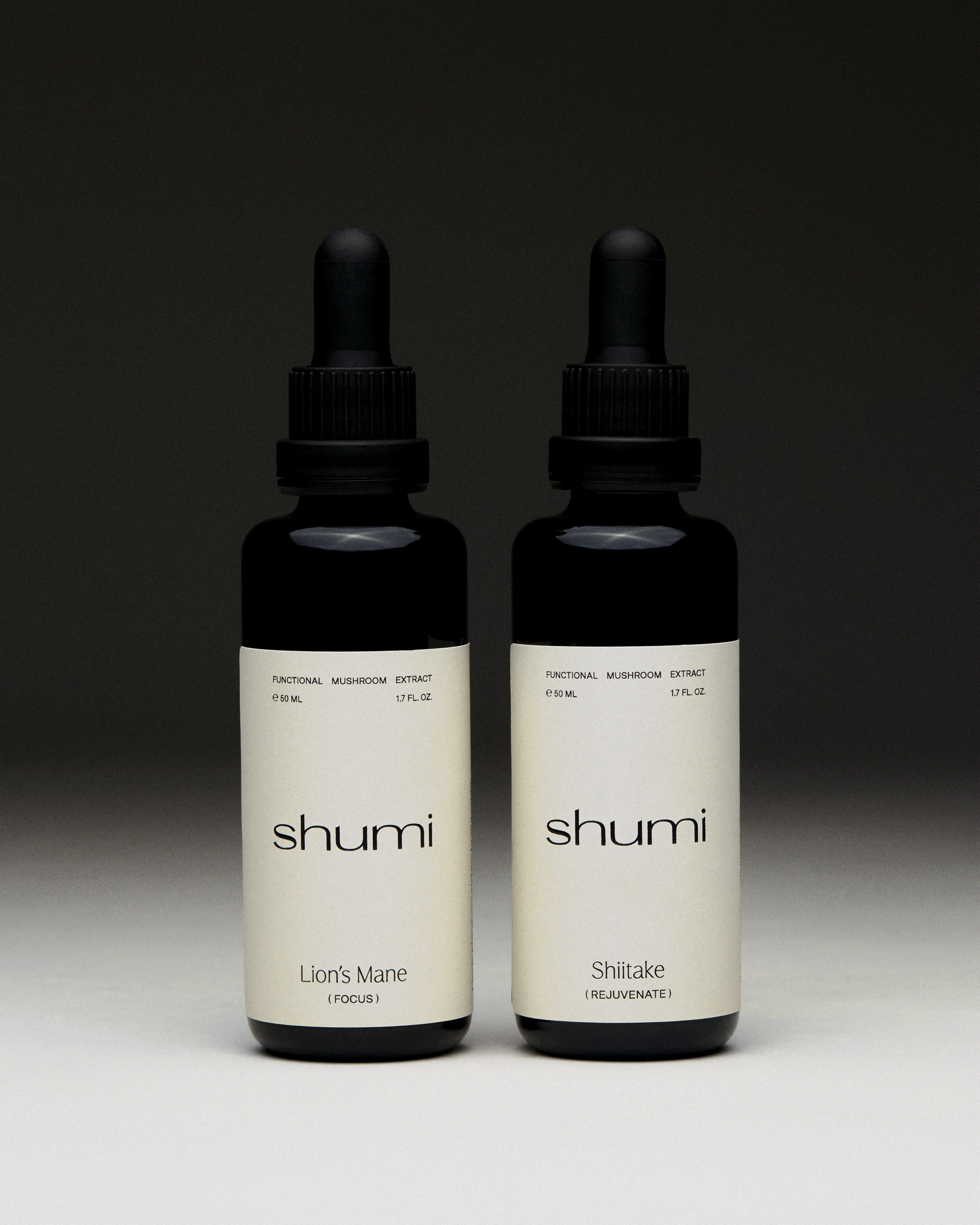
Shumi's Lion's Mane is a dual-extracted liquid, about 2 ml a day (two half-pipettes), taken straight or stirred into a drink. Consistency over several weeks matters more than any single dose. Explore Shumi's organic Lion's Mane extract, or see the wider picture in our overview of the power of functional mushrooms.
References
- Kim, Y. O., Lee, S. W., Oh, C. H., & Rhee, Y. H. (2012). Hericium erinaceus suppresses LPS-induced pro-inflammation gene activation in RAW264.7 macrophages. Immunopharmacology and Immunotoxicology, 34(3), 504-12. https://doi.org/10.3109/08923973.2011.633527
- Pahwa, R., Goyal, A., & Jialal, I. (2023). Chronic inflammation. In StatPearls. StatPearls Publishing. https://www.ncbi.nlm.nih.gov/books/NBK493173/